
PAAS National Helping Community Pharmacies Gain Confidence and Peace of Mind

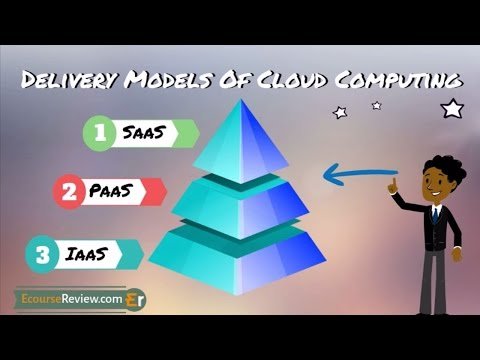
Overall, GCP App Engine combines robust capabilities with an economical pricing model, empowering teams to innovate rapidly and efficiently. This enables teams to innovate faster and respond to market changes, ultimately driving success and enhancing operational efficiency. These capabilities ensure that applications run smoothly and efficiently, even with fluctuating traffic demands. This platform allows us to run applications in multiple programming languages, including Java, .NET, PHP, Node.js, Python, and Ruby, offering flexibility in development and deployment as a PaaS service.

Discover our five predictions about what will define the most successful enterprises in 2030 and the steps leaders can take to gain an AI-first advantage. In this free IBM ebook, discover how leading enterprises are using hybrid architectures to drive real ROI and accelerate innovation with generative AI. Explore how hybrid cloud unlocks the full benefits of cloud computing, from cost efficiency and flexibility to enhanced security and AI readiness. MPaaS typically provides low-code (even simple drag-and-drop) methods for https://www.ournhs.info/finding-similarities-between-and-life-5/ accessing device-specific features, including the phone’s camera, microphone, motion sensor and geolocation (or GPS) capabilities.
For teams seeking a managed alternative to self-hosted infrastructure or standalone PaaS tools, Render combines application deployment and core infrastructure services within a unified platform. Designed to simplify application hosting, Render supports Git-based deployments with automated https://babyandmomtimes.com/baby-care-for-first-time-parents/14-best-apps-for-brand-new-moms/ builds and integrated continuous delivery workflows. The Netlify extension on DigitalOcean helps connect your Git workflow directly to your deployment pipeline, making it easier to automate builds, generate previews, and manage updates without juggling multiple tools. This article walks through options with different balances of simplicity and operational depth—so you can pick an environment that aligns with how your team builds and ships apps.
IBM / Red Hat OpenShift
You can create an application by using this application builder without writing a single line of code. Application Logs — Log Aggregation capabilities of Engine Yard PaaS solution are beneficial to analyze the app errors. Through this, Red Hat OpenShift ensures the compatibility and interoperability between your container workloads.
AWS Elastic Beanstalk
Google Cloud Run is a serverless, fully managed PaaS solution for container-based development that gives development teams an easy place to build and run highly scalable containerized applications. A PaaS also provides access to advanced development tools and capabilities that might be too expensive to purchase outright. PaaS helps businesses avoid the hassle and cost of installing hardware or software to develop or host new custom applications. PaaS reduces infrastructure overhead, enabling businesses to focus on core innovations and market differentiation. Choosing between them depends on project complexity, scalability demands, and the required level of control over infrastructure. For projects with fluctuating workloads, PaaS ensures seamless scaling and performance optimization.
- Together, these strategies can improve the flexibility, resilience and scalability of IT environments, helping businesses remain agile as technologies and customer needs change.
- PaaS providers are offering more sophisticated container orchestration services, enabling Canadian developers to build and deploy scalable, portable applications more efficiently.
- In addition, it helps script the code only, which is necessary to write.
- Self-hosted options like Coolify exploded in popularity.
- Advantages include automatic scalability, faster deployment times through integrated pipelines, and improved team collaboration within a unified interface.
Core Features
Railway or DigitalOcean App Platform are great low-cost options. It gives you all the benefits of Kubernetes—scalability, portability, workload control—without the operational overhead. Easy to use, affordable, and decent for smaller workloads, but lacks advanced control for complex setups. Good regional redundancy options. Strong for corporate environments, but the UX and flexibility can frustrate smaller teams. Powerful for simple use cases within GCP, but not portable or developer-friendly for broader workloads.