



Custom Flight Cases: Australia-Engineered, China-Manufactured Without Compromise

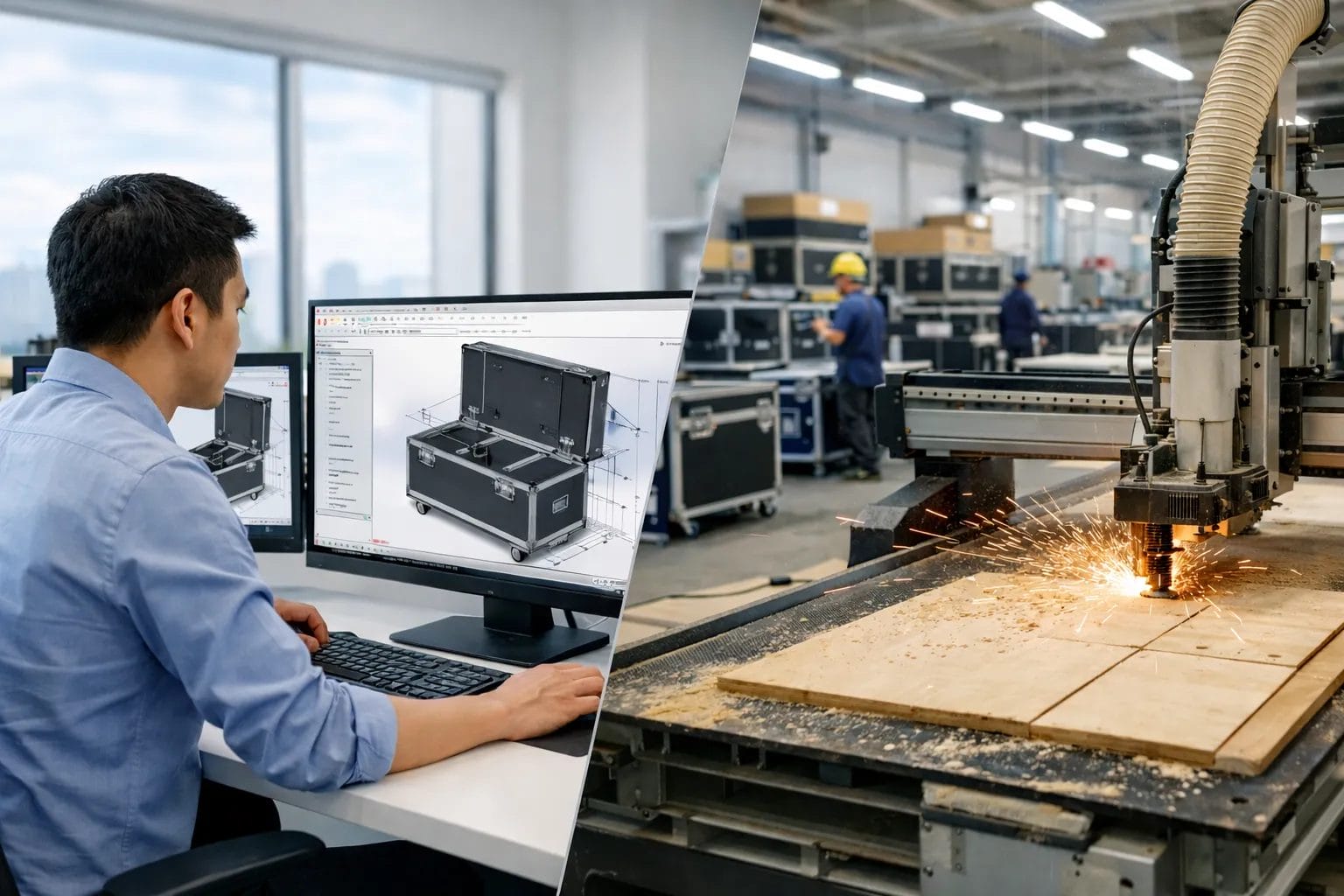
Discover how Armor Cases combines Sydney engineering with China manufacturing to deliver premium ATA-compliant road cases for production companies. Quality meets scale without compromise.
Why Production Companies Choose Our Hybrid Manufacturing Model
When touring companies, broadcast studios, and equipment rental houses look into OEM road case manufacturers and premium flight cases suppliers in China, they are looking for something specific. They need a manufacturer who can deliver both engineering precision and container-load volume without sacrificing quality. That is exactly why we built Armor Cases around a unique hybrid model: all engineering happens in Sydney, all manufacturing happens in China.
This approach solves a problem that's frustrated professional buyers for years. Traditionally, you had two options. Western-made road cases offered excellent quality but came with premium pricing that made large fleet orders difficult to justify. Chinese manufacturers offered competitive pricing but often struggled with batch consistency and lacked engineering documentation that procurement teams required. Our model eliminates this trade-off entirely by combining Western engineering standards with Asian manufacturing scale.
The companies that find us are typically searching for bulk flight case suppliers, custom touring case manufacturers in China, or ATA 300 compliant case manufacturers who can handle serious volume. These aren't casual buyers. They're organizations that evaluate supply chains, compare OEM capabilities, and expect their suppliers to maintain perfect consistency across orders of fifty, a hundred, or two hundred units. Our entire workflow was designed specifically for these requirements.
This approach solves a problem that's frustrated professional buyers for years. Traditionally, you had two options. Western-made road cases offered excellent quality but came with premium pricing that made large fleet orders difficult to justify. Chinese manufacturers offered competitive pricing but often struggled with batch consistency and lacked engineering documentation that procurement teams required. Our model eliminates this trade-off entirely by combining Western engineering standards with Asian manufacturing scale.
The companies that find us are typically searching for bulk flight case suppliers, custom touring case manufacturers in China, or ATA 300 compliant case manufacturers who can handle serious volume. These aren't casual buyers. They're organizations that evaluate supply chains, compare OEM capabilities, and expect their suppliers to maintain perfect consistency across orders of fifty, a hundred, or two hundred units. Our entire workflow was designed specifically for these requirements.
Engineering Always Starts in Sydney
Every road case we build begins with actual engineering, not catalog templates or modified standard designs. When a production company or distributor contacts us, our Sydney team conducts a complete technical discovery process. We profile the equipment that needs protection, analyze the handling environments it will face, assess transportation risks, and understand fleet standardization requirements. This isn't about making a box that fits. It's about creating a protection system engineered for specific equipment in specific conditions.
This engineering phase is why buyers who need engineered flight cases or custom ATA touring cases connect with our approach. We document every design decision with a structural rationale. Panel thickness isn't arbitrary, it's calculated based on load requirements. Foam density is selected according to shock absorption needs. Reinforcement placement follows stress analysis. Hardware selection matches the duty cycle the case will experience over its lifetime.
Once requirements are fully documented, we create detailed CAD drawings that include internal layouts, foam protection maps, reinforcement structures, and complete bills of materials. Every design includes revision control and change tracking, which matters enormously to rental houses and distributors who reorder identical SKUs years later and expect perfect consistency. By centralizing engineering responsibility in Australia, we maintain quality control at the design foundation where manufacturing alone can't compensate for flaws.
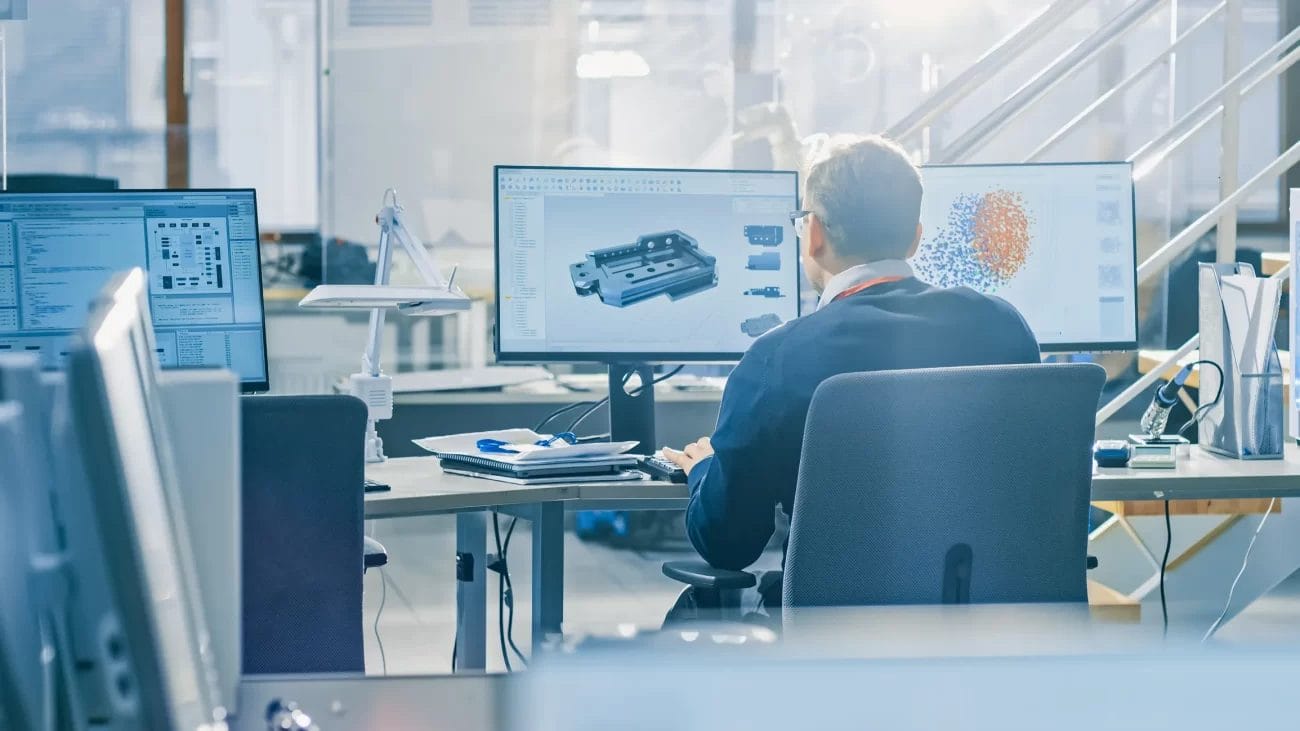
Design-for-Manufacture Integration With Our China Facility
Great engineering means nothing if it can't be manufactured accurately at scale. After our Sydney team completes a CAD package, it moves through our Design-for-Manufacture collaboration process with our China facility. This step transforms a well-engineered design into a repeatable manufacturing blueprint that can be produced consistently across large production runs.
Our manufacturing engineers verify that every panel can be CNC-machined to specification. Foam technicians validate cutting paths, adhesive bonding methods, and tooling requirements. Hardware teams confirm that fixture installations will meet torque specifications and alignment tolerances. Our sourcing team evaluates long-term material availability and procurement stability to ensure we can reproduce identical cases years into the future. Production supervisors assess workflow impacts for container-load orders to guarantee consistent lead times.
This is the phase that separates professional OEM suppliers from basic fabrication shops. The DFM process ensures that units produced in China match Sydney's engineering precision down to submillimeter tolerances. It's how we maintain Western engineering standards while leveraging Asian manufacturing efficiency.
First-Article Validation Before Any Production Run
Before we commit to any production run, we manufacture a first-article sample. This isn't a concept prototype or visual mockup. It's a complete production-ready unit built using the exact materials, processes, and assembly methods that will be used for the full order. This sample goes through comprehensive validation testing.
We verify dimensional accuracy against CAD specifications, test reinforcement structures and load paths under stress, validate foam protection through compression testing, and check lid fitment and hardware alignment precision. We cycle latches and hinges through repeated operations, assess surface finishes and cosmetic quality, and validate corner protection integrity both internally and externally. Our clients receive detailed photos, testing videos, and measurement data confirming that the case meets every structural and functional requirement before we begin large-scale production.
This validation stage is crucial for sourcing teams who search flight case QC process or road case first-article approval. It represents risk reduction before container-load commitment. Production managers can verify that our manufacturing output matches engineering promises before investing in fifty or two hundred units. The first-article approval process is where trust is built through transparency and verification rather than marketing claims.
Large-Scale Manufacturing With Quality Control Throughout
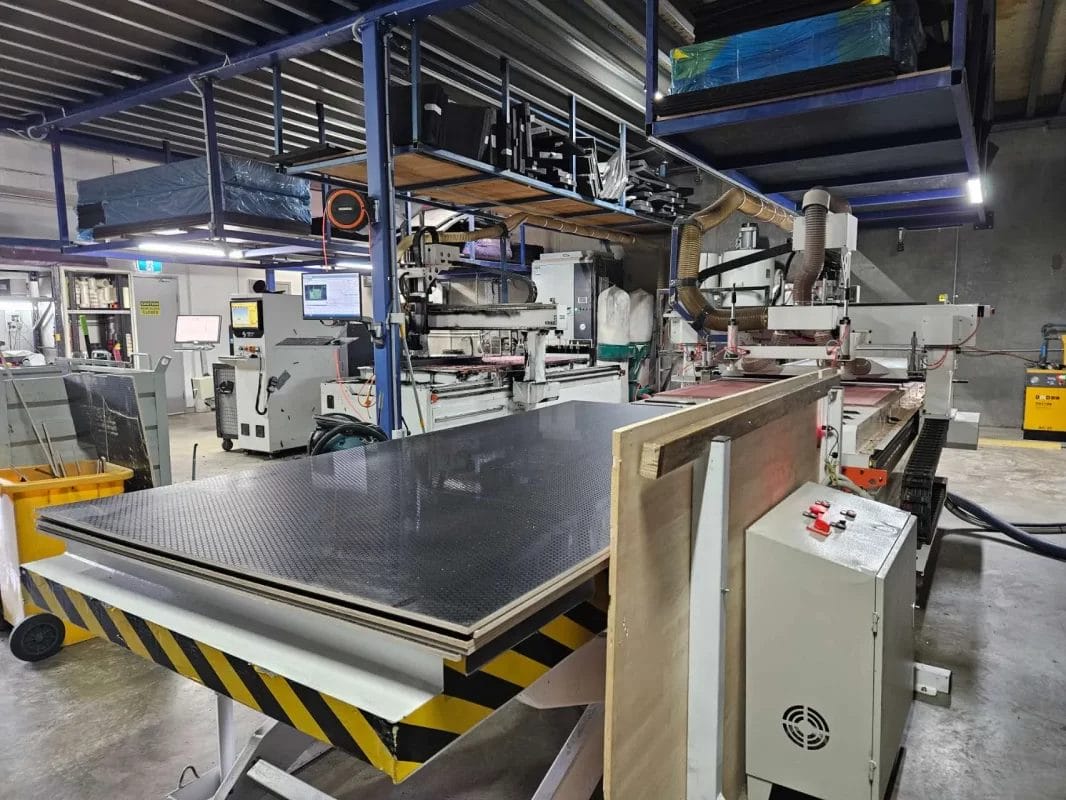
Once the first article receives approval, full production begins at our Guangzhou facility. This is where manufacturing scale becomes valuable. Our facility handles high-volume CNC panel cutting with controlled tolerances, specialized foam fabrication using precision tooling for repeatable fits, and hardware installation using calibrated torque equipment and alignment fixtures. Quality checkpoints exist at every production stage to identify issues before final assembly rather than after shipping.
We apply a full unit inspection process to every single case coming out of our production line. Every case is individually checked against strict quality benchmarks before it leaves the factory, ensuring consistency and precision across the entire batch, whether it is a single unit or a container-load volume. This thorough approach is what buyers looking for bulk flight case manufacturers in China or high-volume touring case production expect from a trusted OEM partner. It is not about relying on statistical sampling. It is about having complete confidence that every single case that bears the Armor Cases name meets our standards, every time.
Container-Load Logistics Engineered for Global Delivery
After production passes quality control, our logistics team finalizes the container loading strategy. Most of our clients receive shipments in twenty-foot, forty-foot, or forty-foot high-cube containers. Our team optimizes orientation, stacking logic, palletization strategy, SKU mixing, packing density, and protective layering to maximize container utilization while ensuring safe arrival across long ocean routes.
This logistics engineering significantly reduces landed cost per unit, which matters to buyers searching for container-load road case pricing or wholesale flight case supplier. Professional procurement teams understand that container optimization is part of total cost management. Poor packing wastes space and increases per-unit shipping costs. Strategic loading maximizes efficiency and protects products during international transport. This capability is fundamental to our value proposition for distributors and large rental operations.
Why This Model Works for Serious Buyers
Our hybrid workflow delivers six core advantages that professional buyers specifically value. Sydney ensures design precision, documentation integrity, CAD ownership, and predictable structural logic across all SKUs. Guangzhou enables container-load production capacity, consistent lead times, sourcing flexibility, and cost efficiency that makes large fleet orders economically viable.
The workflow is ideal for buyers who require private-label capabilities, branded cases, or standardized SKUs for national or international distribution. Our design control prevents the batch-to-batch variation that's common with low-cost case factories where engineering documentation doesn't exist or isn't followed. Rental houses and production companies benefit from SKU consistency that allows cases to function interchangeably across fleets, meaning replacement orders three years later will integrate seamlessly with existing inventory.
High-volume buyers depend on supply chain stability with documented processes and controlled change management. Our centralized engineering and formalized DFM integration provide exactly that predictability. When you order a hundred rack cases this year and another hundred next year, they'll be identical because the engineering foundation hasn't drifted and manufacturing processes are locked to specification.
Building Trust Through Process Transparency
We openly share our manufacturing process because transparency builds confidence with professional buyers. Procurement teams don't respond to vague marketing promises. They evaluate suppliers based on documented capabilities, verifiable processes, and demonstrated quality systems. By explaining exactly how our Sydney-to-Guangzhou workflow operates, we give buyers the information they need to make informed decisions.
Our five-step process from engineering discovery through container-load delivery isn't just operational procedure. It's our commitment to consistency, quality, and accountability. When you understand how we work, you can evaluate whether our capabilities match your requirements. Professional buyers appreciate suppliers who explain their methods rather than obscure them behind marketing language.
Ready to Discuss Your Requirements
Whether you're replenishing an existing fleet, launching a new product line, or seeking a reliable OEM partner for ongoing production, our Sydney-engineered, China-built workflow delivers premium engineering, large-scale manufacturing capability, predictable quality control processes, and container-load economic efficiency. Our hybrid model exists specifically to serve production companies and distributors who refuse to compromise between quality and scale.
For technical consultations, first-article timelines, or container-load pricing discussions, contact our engineering team to begin the discovery process. We'll evaluate your equipment protection requirements, discuss fleet standardization objectives, and provide detailed proposals that include engineering specifications, production timelines, and logistics planning. Every relationship starts with understanding your specific needs and demonstrating how our process delivers the consistency and quality your operation demands.